







Summer 22 Hot List Party in The Hamptons

An exclusive Q&A with the innovator behind the Australian luxury bridal label made for rule-breakers.

The creative duo and their spirited approach to life, home, and design.

In an era of digital communication, Arzberger continues to power its presses with the rigor, vision, and world-class craftsmanship that has rendered it timeless for more than 100 years.

STEP INSIDE CATHY B. GRAHAM'S FLOWER-FILLED WORLD OF BRILLIANT BOUQUETS, WATERCOLOR ARTWORK, AND STEP-BY- STEP GUIDES TO CREATING DELIGHTFUL TABLE SETTINGS AND FLORAL DESIGNS.
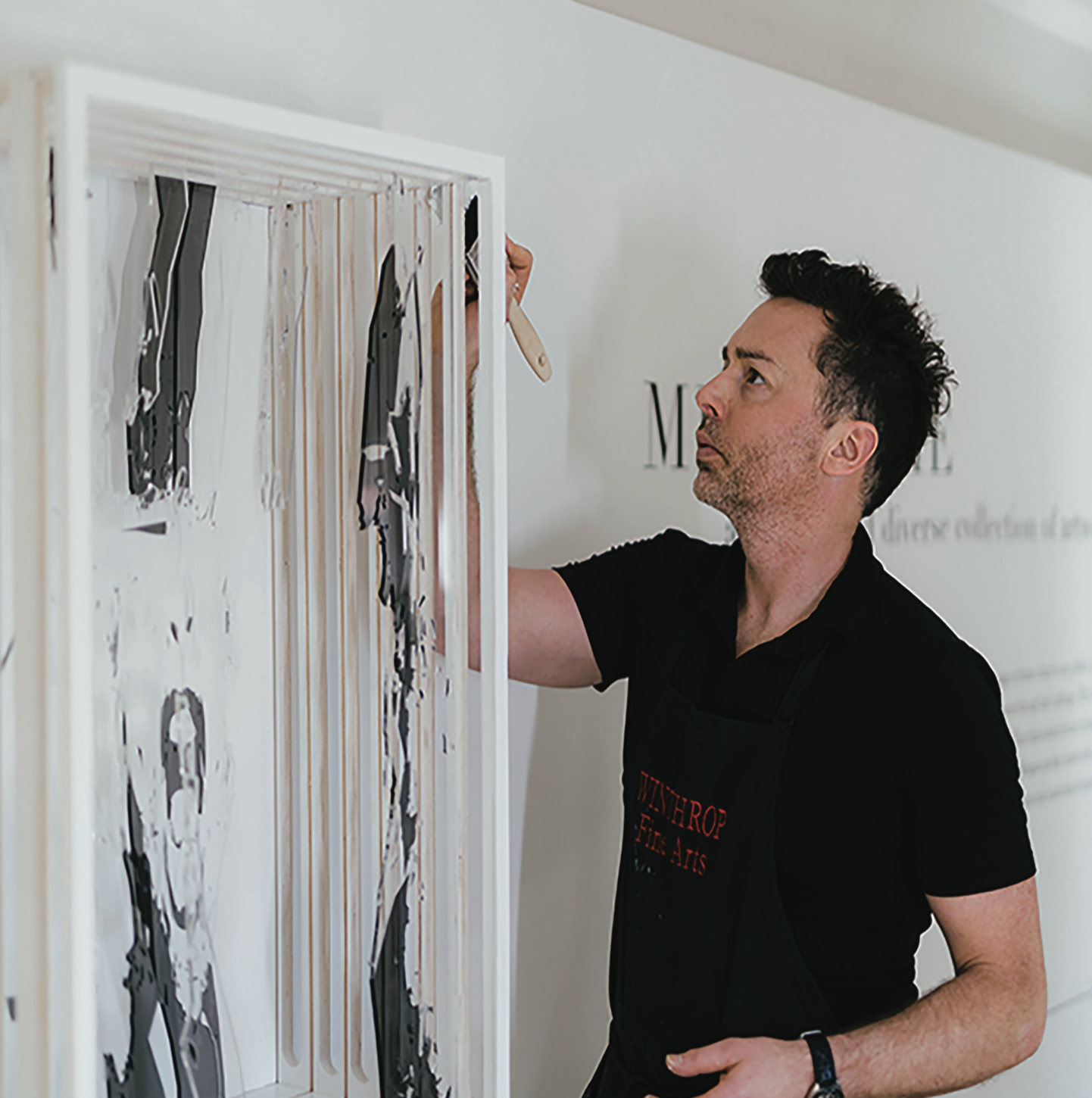
Beautiful Paradox

A N INSIDE LOOK AT THE AMERICAN PAINTER AND HER ETHEREAL APROACH TO THE CANVAS.
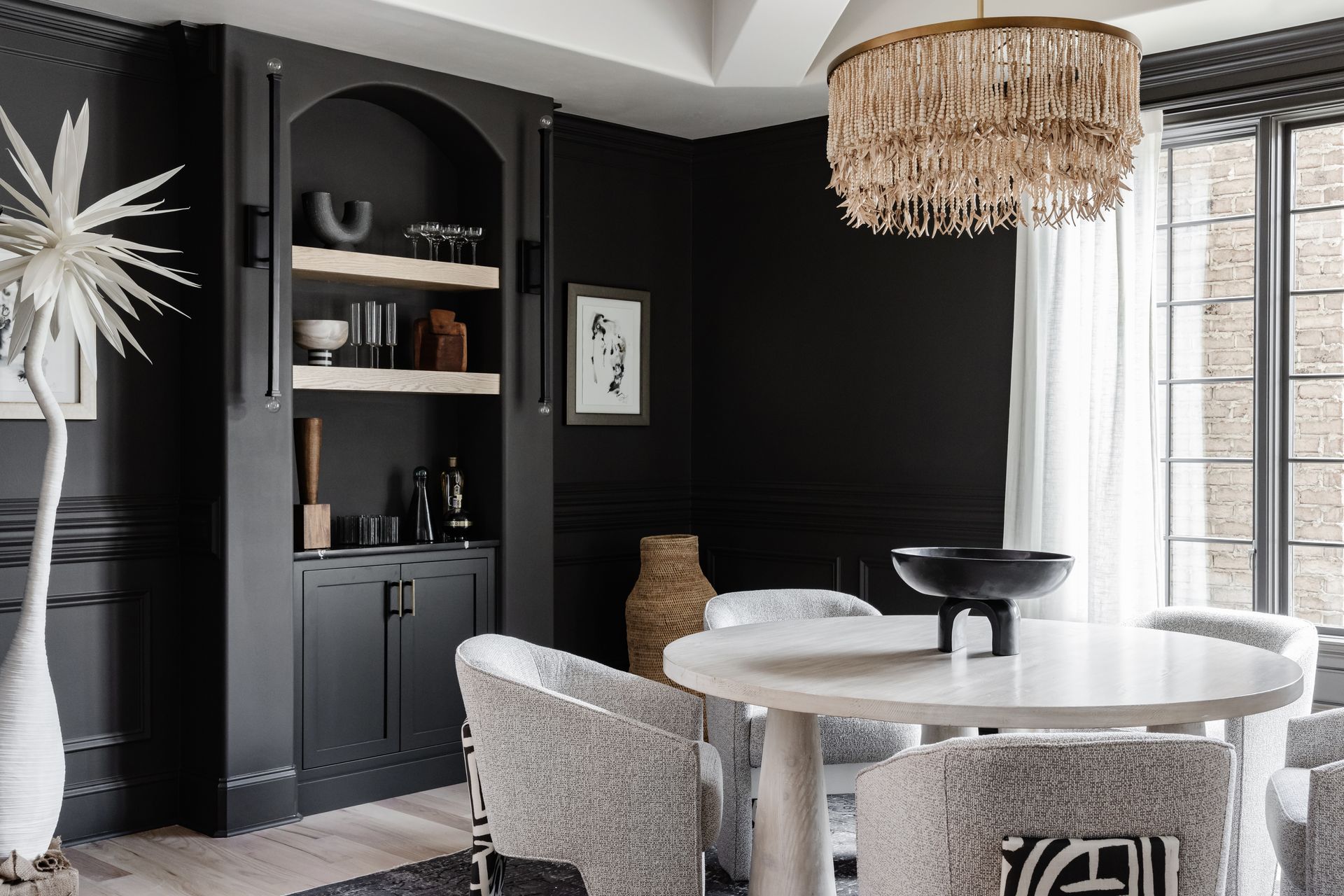
T his project was an entire main floor The kitchen was the heart of this project and renovation for a family home in Southern to expand on the family’s living space, designers North Carolina. The project was a study on Berkeley Minkhorst and Kelley Lentini completely elegantly combining modern global design renovated the kitchen area, creating a second island with classic, traditional elements to create an eclectic, for entertaining (and for the kids to do homework but understated space fit f or a young family. Kelley Lentini and Berkeley Minkhorst co-found- ers of House of Nomad create their signature modern global aesthetic by layering and mixing patterns and textiles. Through their extensive travels they weave in hand-selected finds. and have an after school snack). The attached wine cellar was also transformed into a mudroom, but leaving the weathered brick flooring to keep thatlived-in look & created a unique, textural moment.
F or years, nutrition experts and whole-body health advocates have recognized the power of probiotics on the digestive and immune systems. The American Academy of Dermatology (AAD) has published research on the benefits of probiotics for the skin, when consumed in foods like yogurt, kefir or kimchi and in supplement form. Dermatologists and scientists researching topical probiotics have concluded that probiotic creams and serums are highly effective in treating skin conditions including acne, rosacea, eczema and psoriasis. In addition, they have found that when used topically, probiotics offer barrier protection to the skin and also have a calming effect on all skin types. Topical probiotics can treat a wide range of skin conditions effectively and safely because they work in harmony with the skin’s natural ability to heal. These products are effective in helping balance the skin microbiome, creating a healthier environment, while decreasing skin sensitivity, redness and inflammation. Human skin plays host to trillions of bacteria, some helpful and some harmful. A healthy level of good bacteria is essential to our skin health. The outer layer of our skin is our “first responder” against infection, inflammation and disease. By using a precisely formulated complex of probiotics, peptides and antioxidant plant stem cells Columbia SkinCare probiotic products help balance the skin microflora and primes the skin to receive nourishment. These products rely on the most powerful and effective active ingredients available, derived from only the highest quality natural sources. The unique formulations are the new age-defying Holy Grail. Our natural complex of beneficial probiotics, botanicals and peptides will keep the bacteria in and on your skin balanced by promoting “good bacteria” at the expense of “bad bacteria.” The result? The renewal of skin cells is naturally stimulated and accelerated, making the skin function more efficiently and promoting more rapid cell turnover to mimic the activity of younger skin. Topical probiotics offer a perfect complement to any facial service for any skin type. This enhancement offers a healthy dose of probiotics to the skin’s microbiome, to rebalance and restore the skin’s natural bacterial environment, which is the key to beautiful skin. What is the skin’s “microbiome”? The outer layer of the skin is literally an ecosystem made of 10 trillion human cells and nearly 100 trillion bacterial cells. In science, we call this the skin’s “microbiome,” or the community of bacteria t hat serve as your skin’s first line of protection. The microbiome is also directly related to the health and balance of the skin’s immune system. Our modern lifestyle, unhealthy eating habits, environmental stressors can create an imbalance in this bacterial universe, which can lead to skin issues such as inflammation, chronic breakouts, dryness and the appearance of aging skin. Using probiotics on the skin is a natural choice to anyone wanting to improve and sustain the health and well-being of the skin. Using quality topical natural skincare products is important, but what you put on your skin works hand in hand with a holistic approach to inner health. Even with the benefits of a ground-breaking probiotic skincare product, it is important to maintain a healthy lifestyle by following these tips: Y OU ARE WHAT YOU EAT Limit sugar intake, avoid processed foods and focus on good-for-you fats like olive oil and coconut oil, instead of refined fats. Take the time to prepare healthy meals with fresh, seasonal, o rganic ingredients. A RESTORATIVE SLEEP Getting enough sleep—eight hours is recommended—is essential for optimal functioning of the heart and mind. According to the National Sleep Foundation (NSF), getting inadequate sleep on a regular basis affects your health, memory and mood. MAN AGE YOUR STRESS Learn to manage stress through meditation, yoga, simple breathing practices and a positive attitude. Optimism builds our resilience, and helps us cope with stress. WO RK OUT! Even a 20-minute walk every day, to get your heart rate up, will have a tremendous impact on your health. Or get moving with mindful exercises like yoga, Pilates, Tai Chi and others.
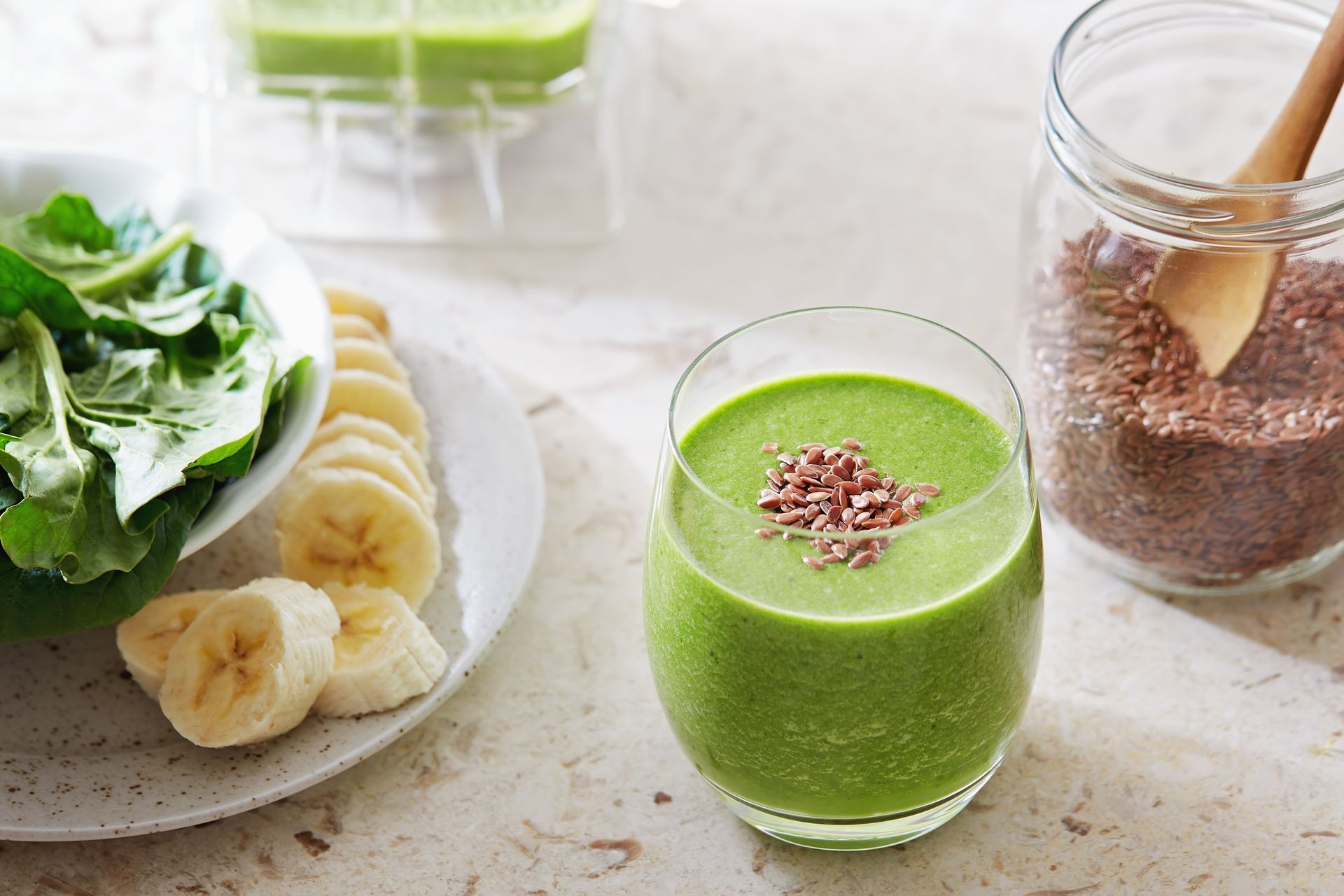
Dear Marci, I want to know more about the connection between better food and better mental health. My daughter has struggled with depression and anxiety for most of her life. She once told me, “ I just want to remember what it feels to be happy, even if it is only for a few minutes.” It’s hard for my family to watch someone we love live in this cycle of pain. It hurts all of us. How can food help? Sad and Searching for Answers Dear Sad and Searching for Answers, Your question comes at a very pertinent time. May is Mental Health Awareness Month and now, more than ever, we need to reflect, acknowledge, and understand the significant impact of mental illness. We also need to reduce the stigma, facilitate better treatments and recovery, and we definitely need to make food a part of the treatment plan. I believe, at this moment, the world is experiencing a mental health crisis. Depression, anxiety, and PTSD are at an all time high, suicide rates are on the upsurge, and too many people are suffering from the addictions and comorbid manifestations that often accompany mental illness. And more, the fall out extends to family, friends, and the network of professionals on the front lines, with the contagion effect of mental illness continuing to ripple through too many lives. In order to be healthy and well, we need to address this crisis now, and we need to do better. After all, there is no health without mental health. And, yes, yes, yes, I believe food can help! I’ve had to believe. I grew up in a time when there was not aware- ness for mental health issues, like Obsessive Compulsive Disorder, (OCD), Anxiety and Panic Disorders, Depression, and Post Traumat- ic Stress Disorder. Actually, any topic related to mental illness was not talked about, at least not in a positive way, and certainly nobody had a therapist. So I did my best to hide my rituals of having to do certain things before I walked out of a room, and then ignore my thoughts that were telling me if I didn’t touch the wall three times I would die, or worse, someone I loved would die, and it would be my fault, because that is how OCD talks to you. Most of the time my thoughts got the best of me. Then, of course, came the panic attacks, which were much worse whenever I was away from home. Something as seemingly normal as going to watch a basketball game at my high school turned into a night of horror for me. I’d sit in the stands, on high alert, scanning the room for the exit because i needed to know I could escape, but that still wasn’t enough to make the anxiety go away. My chest would tighten, my heart race, and I felt like I was suffocating, but I sat there, smiling, trying to figure out how to get air into my lungs, so nobody would know the battle going on inside of me. By the time I got home I was depleted and exhausted but could never fall asleep. There was just too much to worry about. So when my mother came in the room to check and see if my sister and I were sleeping, I laid there quietly, with my eyes closed, until she turned off the lights and left. I didn’t want her to know either. I remember the day I read an article about Obsessive Compulsive Disorder, and the depression and anxiety that accompanies it; putting a name to my struggles made me feel more normal and less like a freak. To know all of this was happening because of a discrepancy between my brain and my body was a huge relief because maybe I could feel better. I started doing research and eventually found some information about food and mental illness. I started to eat better and I noticed I felt differently when I ate certain things. I was less anxious, and less stressed, and the chatter of OCD was much quieter. It’s what I have been doing for years and I never told anybody. Nutritional Psychology brings more power to treatment for mental health. Today we call it nutritional psychology but I like to call it exactly what it is...The Power of Food. Either way emerging research is exploring the impact of food on the brain, and on our mental health status. Science is examining the various components of our diet and finding connections between food with an optimal nutritional profile and healthier brains. It’s like a perfect storm of health and wellness. The research shows certain foods can decrease anxiety, depression, and PTSD...This is life changing because this is lifesaving for so many people! This is how food can help. EAT CLEAN What I’ve learned from studying and researching food, is that the things our bodies need most are provided for us, naturally. And the less we do to food, the better it is for us. This means starting with food grown in soil that is clean and cultivated, naturally, not genetically mod- ified, and avoiding foods that are treated with chemicals and pesticides. In other words – eating whole, clean, organic whenever possible. Including foods with the most protective elements, and omitting processed, refined, and manufactured food with harmful ingredients, is the best formula to keep our body and mind functioning the way nature intended. Processed foods increase inflammation and wreak havoc on our gut and can be a source for anxiety and depression, so cleaner food means the natural rhythms, processes, and systems in our body function more effectively. TAKE CARE OF YOUR GUT The gut-brain axis is the communication network for our gut and our brain. It is how our gut talks to our brain, and this communica- tion originates in our gut microbiome, which refers to the world of bacteria, viruses, fungi and all living things that live in our intestines. When all of these things are balanced, through chemical messen- gers called neurotransmitters, our gut can communicate better, and we have a healthy gut and a healthier mind. Better food is the best frontline defense for a more well balanced gut. Some of the foods that promote better gut-brain health and help to regulate neurotransmitter production are things like quinoa, grapes, salmon, mushrooms, dark chocolate, foods with probiotic, like kefir, yogurt and fermented foods. FOCUS ON BRAIN HEALTHY FOODS, INCLUDE PROTEIN, FALL IN LOVE WITH PLANTS Include the complex carbs and green leafy greens, lean proteins, especially fatty fish with omega-3’s, and berries with flavonoids. All are crucial for the proper functioning of our gut, and our brain and nervous system, with the latest research also suggesting levels of protection from cognitive decline. Lean protein will also help stabilize our blood sugar levels and regulate mood, and anything with magnesium will help curb anxiety.
TIPS TO BOOST YOUR HEALTH